
 |
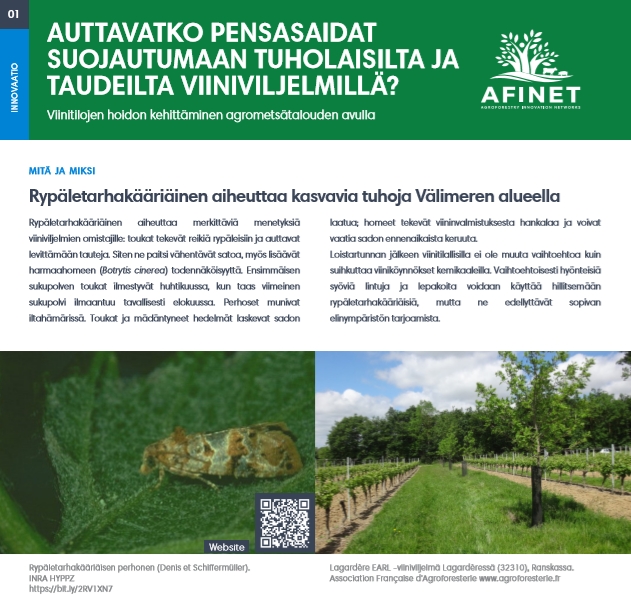
01 Auttavatko pensasaidat suojautumaan tuholaisilta ja taudeilta viiniviljelmillä? Rypäletarhakääriäinen aiheuttaa merkittäviä menetyksiä viiniviljelmien omistajille: toukat tekevät reikiä rypäleisiin ja auttavat levittämään tauteja. Siten ne paitsi vähentävätsa toa, myös lisäävät harmaahomeen (Botrytis cinerea) todennäköisyyttä. |
|
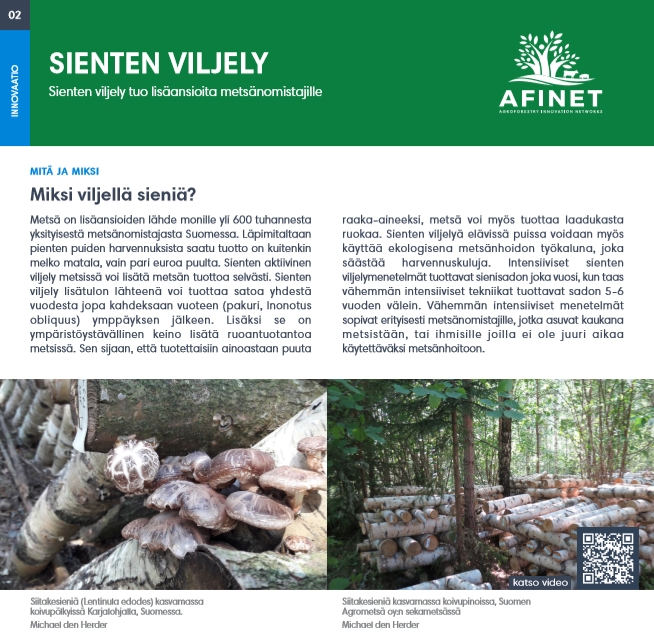 |
Metsä on lisäansioiden lähde monille yli 600 tuhannesta yksityisestä metsänomistajasta Suomessa. Läpimitaltaan pienten puiden harvennuksista saatu tuotto on kuitenkin melko matala, vain pari euroa puulta. Sienten aktiivinen viljely metsissä voi lisätä metsän tuottoa selvästi. |
|
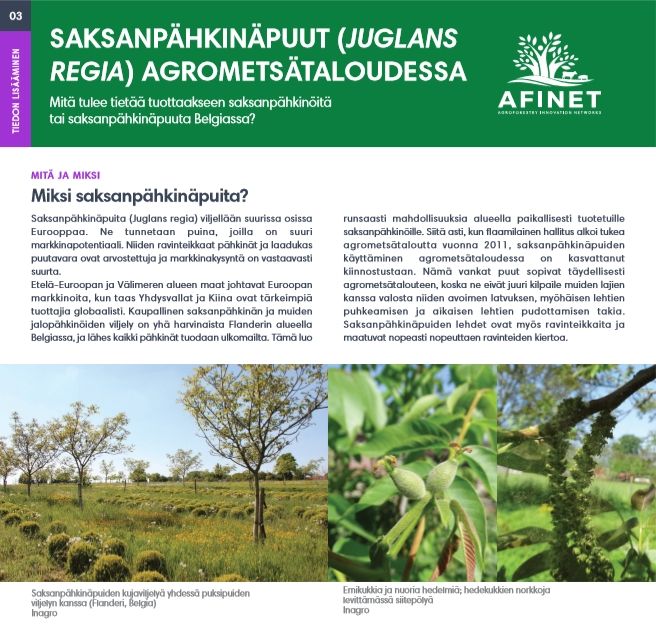 |
03 Saksanpähkinäpuut (Juglans regia) agrometsätaloudessa Saksanpähkinäpuita (Juglans regia) viljellään suurissa osissa Eurooppaa. Ne tunnetaan puina, joilla on suuri markkinapotentiaali. Niiden ravinteikkaat pähkinät ja laadukas puutavara ovat arvostettuja ja markkinakysyntä on vastaavasti suurta. |
|
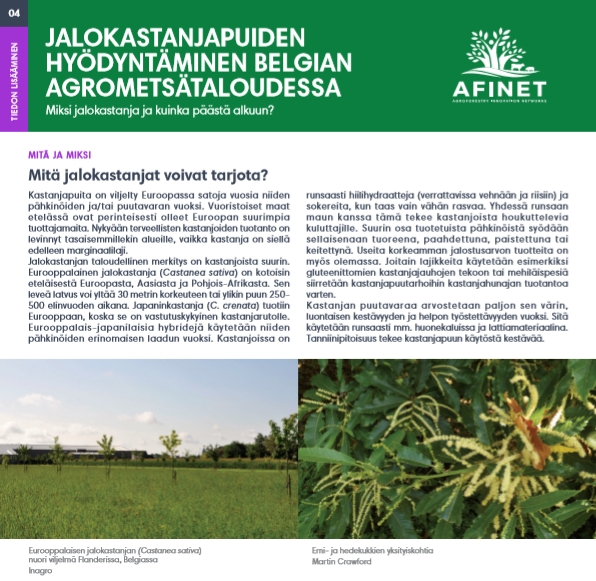 |
04 Jalokastanjapuiden hyödyntäminen belgian agrometsätaloudessa Kastanjapuita on viljelty Euroopassa satoja vuosia niiden pähkinöiden ja/tai puutavaran vuoksi. Vuoristoiset maat etelässä ovat perinteisesti olleet Euroopan suurimpia tuottajamaita. Nykyään terveellisten kastanjoiden tuotanto on levinnyt tasaisemmillekin alueille, vaikka kastanja on siellä edelleen marginaalilaji. |
|
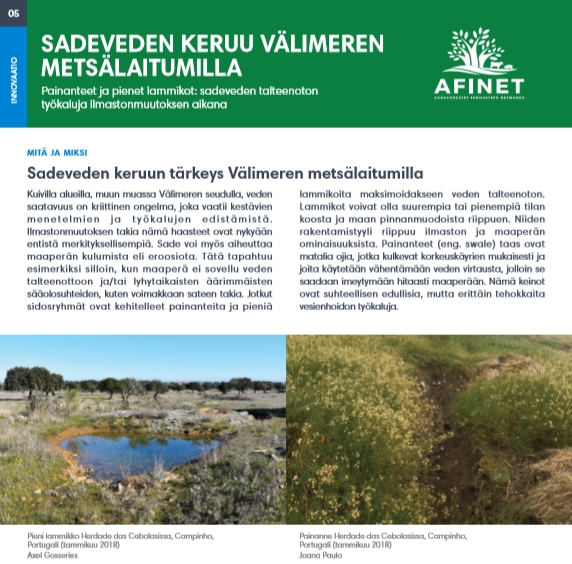 |
05 Sadeveden keruu välimeren metsälaitumilla Kuivilla alueilla, muun muassa Välimeren seudulla, veden saatavuus on kriittinen ongelma, joka vaatii kestävien menetelmien ja työkalujen edistämistä. Ilmastonmuutoksen takia nämä haasteet ovat nykyään entistä merkityksellisempiä. |
|
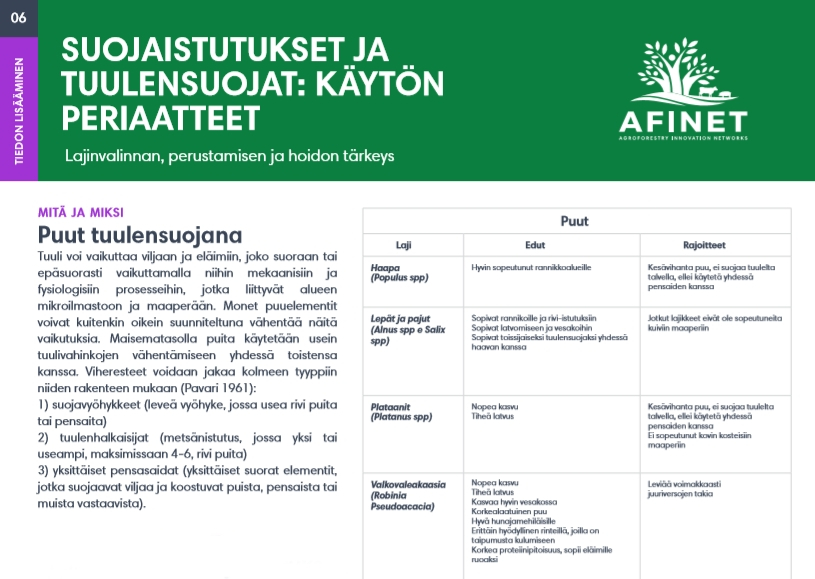 |
06 Suojaistutukset ja tuulensuojat: käytön periaatteet Tuuli voi vaikuttaa viljaan ja eläimiin, joko suoraan tai epäsuorasti vaikuttamalla niihin mekaanisiin ja fysiologisiin prosesseihin, jotka liittyvät alueen mikroilmastoon ja maaperään. Monet puuelementit voivat kuitenkin oikein suunniteltuna vähentää näitä vaikutuksia. |
|
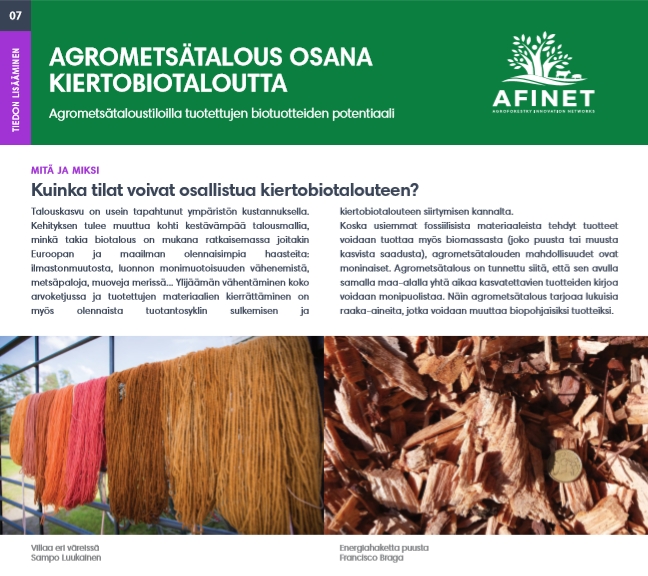 |
07 Agrometsätalous osana kiertobiotaloutta Talouskasvu on usein tapahtunut ympäristön kustannuksella. Kehityksen tulee muuttua kohti kestävämpää talousmallia, minkä takia biotalous on mukana ratkaisemassa joitakin Euroopan ja maailman olennaisimpia haasteita: ilmastonmuutosta, luonnon monimuotoisuuden vähenemistä, metsäpaloja, muoveja merissä... |
|
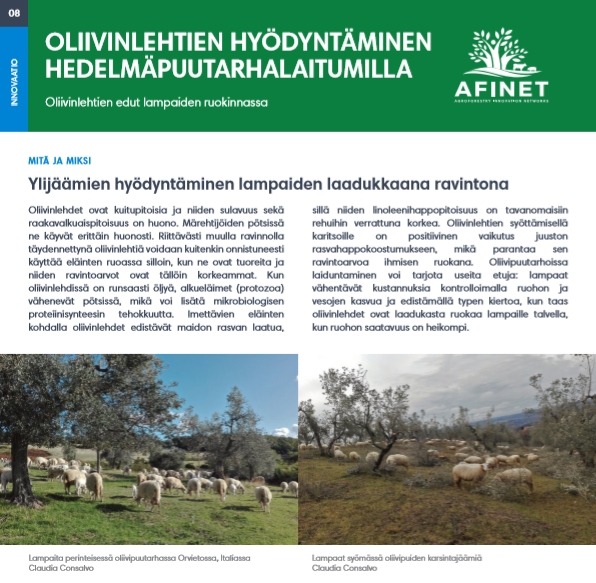 |
08 Oliivinlehtien hyödyntäminen hedelmäpuutarhalaitumilla Oliivinlehdet ovat kuitupitoisia ja niiden sulavuus sekä raakavalkuaispitoisuus on huono. Märehtijöiden pötsissä ne käyvät erittäin huonosti. Riittävästi muulla ravinnolla täydennettynäoliivinlehtiävoidaankuitenkinonnistuneesti käyttää eläinten ruoassa silloin, kun ne ovat tuoreita ja niiden ravintoarvot ovat tällöin korkeammat. |
|
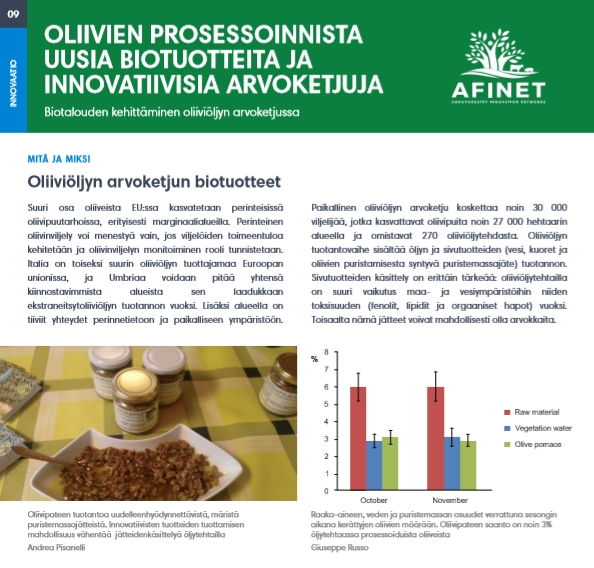 |
09 Oliivien prosessoinnista uusia biotuotteita ja innovatiivisia arvoketjuja Suuri osa oliiveista EU:ssa kasvatetaan perinteisissä oliivipuutarhoissa, erityisesti marginaalialueilla. Perinteinen oliivinviljely voi menestyä vain, jos viljelöiden toimeentuloa kehitetään ja oliivinviljelyn monitoiminen rooli tunnistetaan. |
|
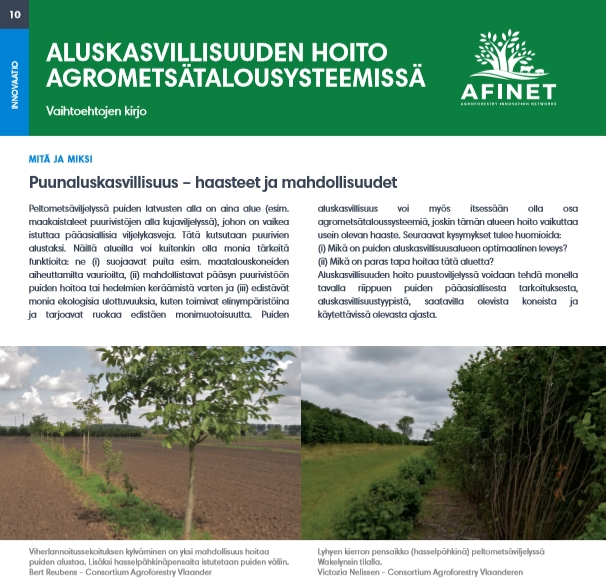 |
10 Aluskasvillisuuden hoito agrometsätalousysteemissä Peltometsäviljelyssä puiden latvusten alla on aina alue (esim. maakaistaleet puurivistöjen alla kujaviljelyssä), johon on vaikea istuttaa pääasiallisia viljelykasveja. Tätä kutsutaan puurivien alustaksi. Näillä alueilla voi kuitenkin olla monia tärkeitä funktioita: ne (i) suojaavat puita esim. maatalouskoneiden aiheuttamilta vaurioilta, (ii) mahdollistavat pääsyn puurivistöön puiden hoitoa tai hedelmien keräämistä varten ja (iii) edistävät monia ekologisia ulottuvuuksia, kuten toimivat elinympäristöina ja tarjoavat ruokaa edistäen monimuotoisuutta. |
|
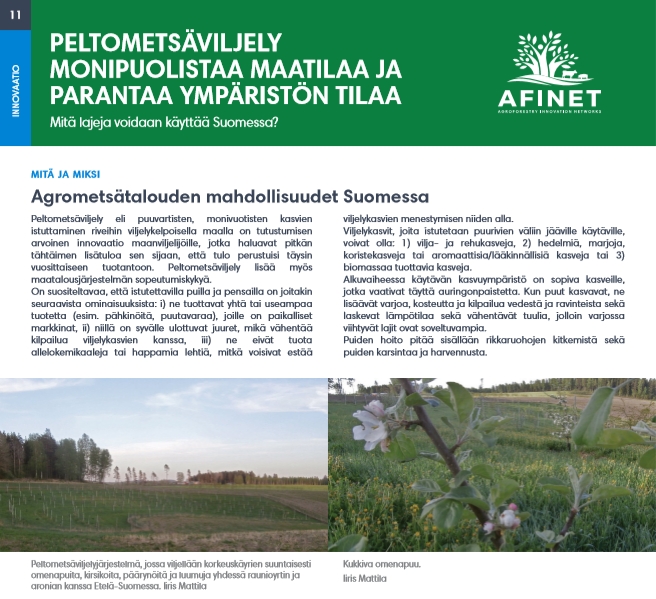 |
11 Peltometsäviljely monipuolistaa maatilaa ja parantaa ympäristön tilaa Peltometsäviljely eli puuvartisten, monivuotisten kasvien istuttaminen riveihin viljelykelpoisella maalla on tutustumisen arvoinen innovaatio maanviljelijöille, jotka haluavat pitkän tähtäimen lisätuloa sen sijaan, että tulo perustuisi täysin vuosittaiseen tuotantoon. Peltometsäviljely lisää myös maatalousjärjestelmän sopeutumiskykyä. |
|
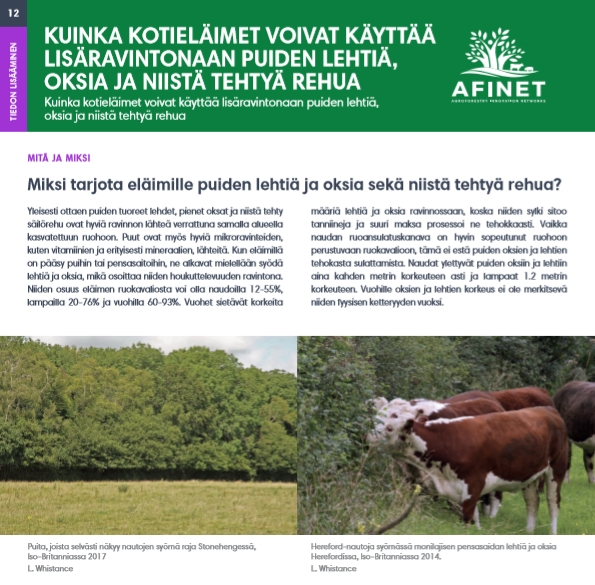 |
12 Kuinka kotieläimet voivat käyttää lisäravintonaan puiden lehtiä, oksia ja niistä tehtyä rehua Yleisesti ottaen puiden tuoreet lehdet, pienet oksat ja niistä tehty säilörehu ovat hyviä ravinnon lähteä verrattuna samalla alueella kasvatettuun ruohoon. Puut ovat myös hyviä mikroravinteiden, kuten vitamiinien ja erityisesti mineraalien, lähteitä. Kun eläimillä on pääsy puihin tai pensasaitoihin, ne alkavat mielellään syödä lehtiä ja oksia, mikä osoittaa niiden houkuttelevuuden ravintona. |
|
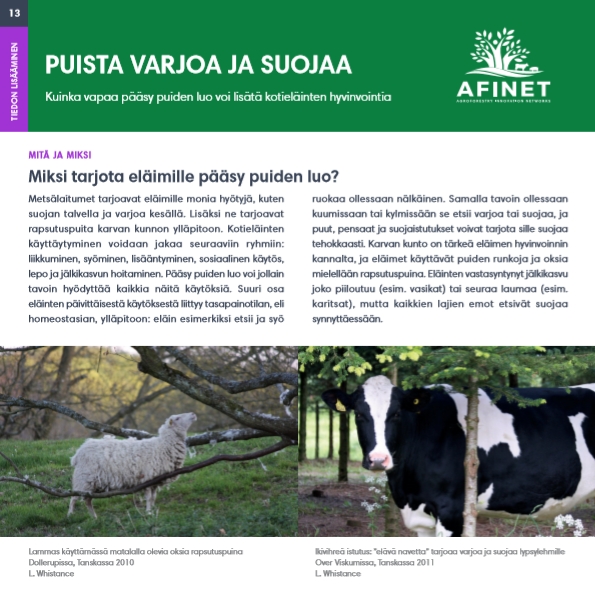 |
Metsälaitumet tarjoavat eläimille monia hyötyjä, kuten suojan talvella ja varjoa kesällä. Lisäksi ne tarjoavat rapsutuspuita karvan kunnon ylläpitoon. Kotieläinten käyttäytyminen voidaan jakaa seuraaviin ryhmiin: liikkuminen, syöminen, lisääntyminen, sosiaalinen käytös, lepo ja jälkikasvun hoitaminen. Pääsy puiden luo voi jollain tavoin hyödyttää kaikkia näitä käytöksiä. |
|
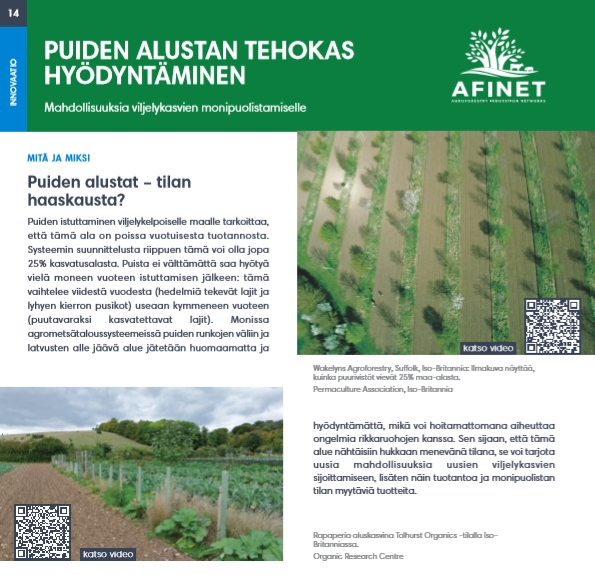 |
14 Puiden alustan tehokas hyödyntäminen Puiden istuttaminen viljelykelpoiselle maalle tarkoittaa, että tämä ala on poissa vuotuisesta tuotannosta. Systeemin suunnittelusta riippuen tämä voi olla jopa 25% kasvatusalasta. |
|
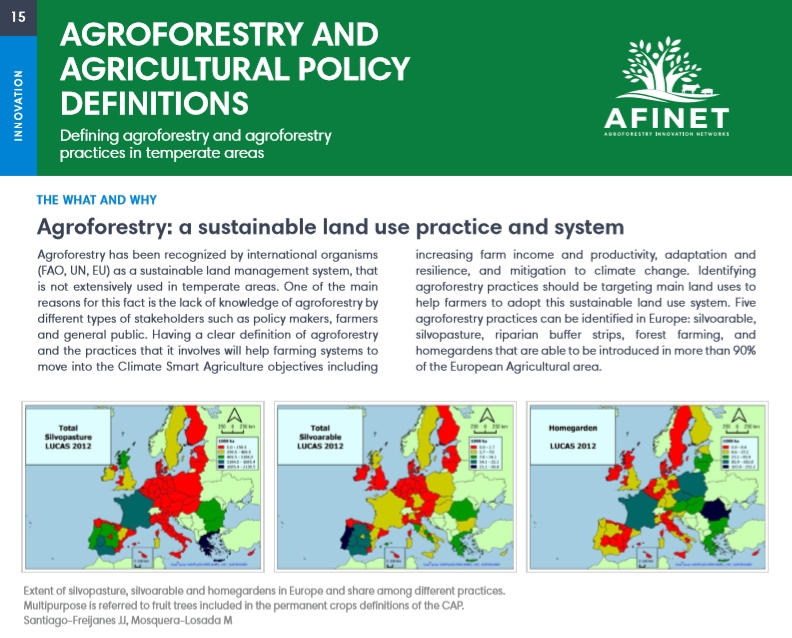 |
15 Agroforestry and agricultural policy definitions Agroforestry has been recognized by international organisms (FAO, UN, EU) as a sustainable land management system, that is not extensively used in temperate areas. One of the main reasons for this fact is the lack of knowledge of agroforestry by different types of stakeholders such as policy makers, farmers and general public. Download the high resolution print version (available soon) |
|
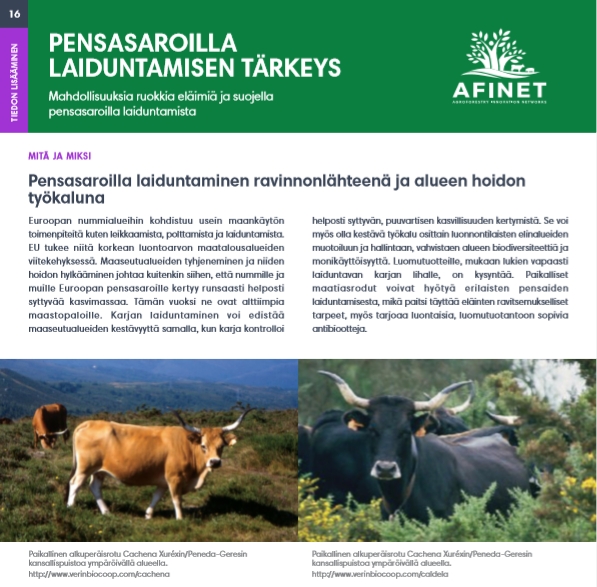 |
16 Pensasaroilla laiduntamisen tärkeys Euroopan nummialueihin kohdistuu usein maankäytön toimenpiteitä kuten leikkaamista, polttamista ja laiduntamista. EU tukee niitä korkean luontoarvon maatalousalueiden viitekehyksessä. |
|
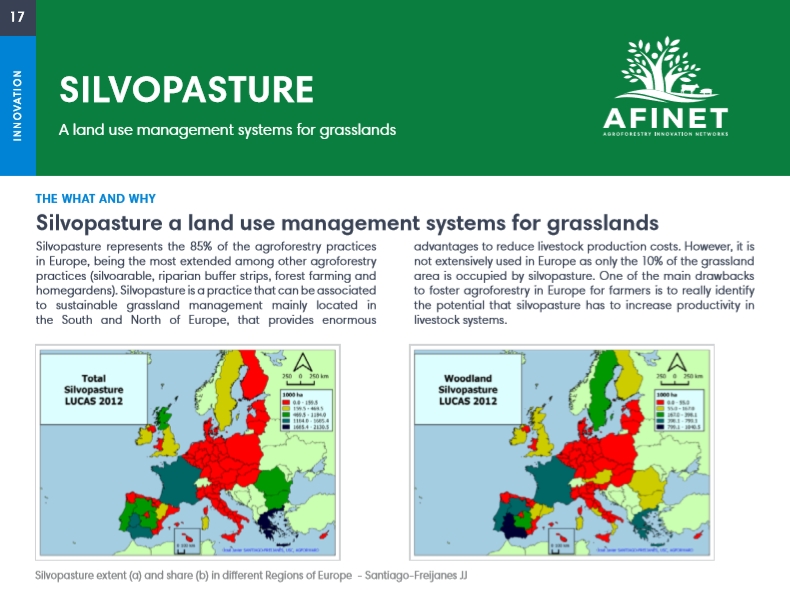 |
Silvopasture represents the 85% of the agroforestry practices in Europe, being the most extended among other agroforestry practices (silvoarable, riparian buffer strips, forest farming and homegardens). Silvopasture is a practice that can be associated to sustainable grassland management mainly located in the South and North of Europe, that provides enormous advantages to reduce livestock production costs. Download the high resolution print version (available soon) |
|
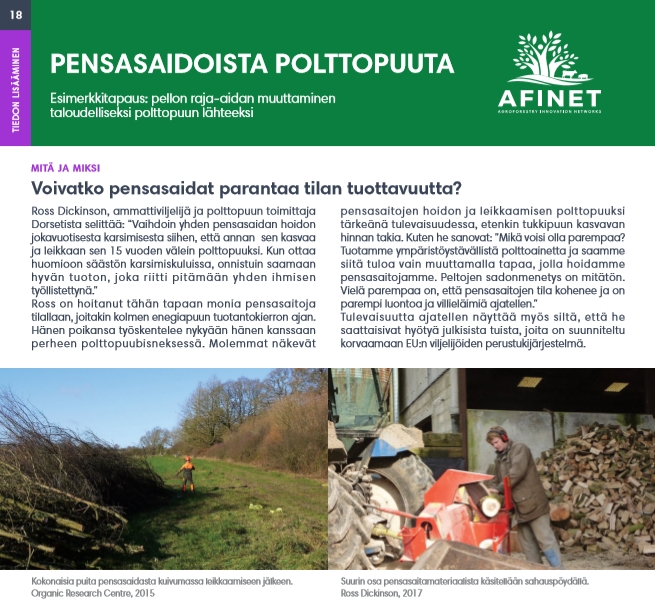 |
Ross Dickinson, ammattiviljelijä ja polttopuun toimittaja Dorsetista selittää: “Vaihdoin yhden pensasaidan hoidon jokavuotisesta karsimisesta siihen, että annan sen kasvaa ja leikkaan sen 15 vuoden välein polttopuuksi. Kun ottaa huomioon säästön karsimiskuluissa, onnistuin saamaan hyvän tuoton, joka riitti pitämään yhden ihmisen työllistettynä.” |
|
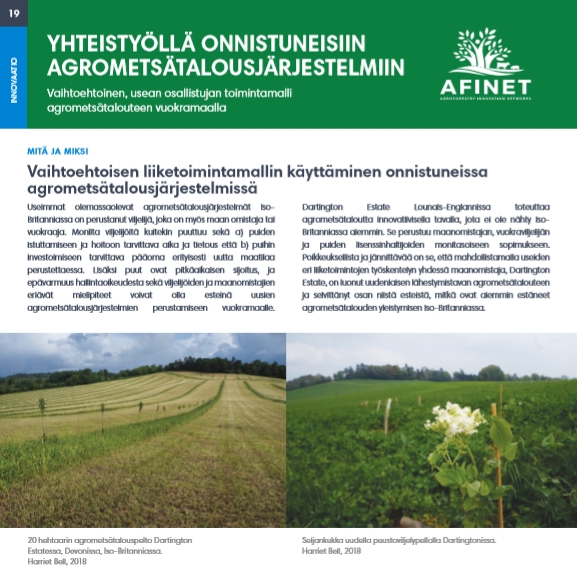 |
19 Yhteistyöllä onnistuneisiin agrometsätalousjärjestelmiin Most existing agroforestry systems on UK farms have been established by the farmer who is also the landowner or tenant. However, many famers lack both the time and the specialist knowledge to plant and care for trees and the capital to invest. |
|
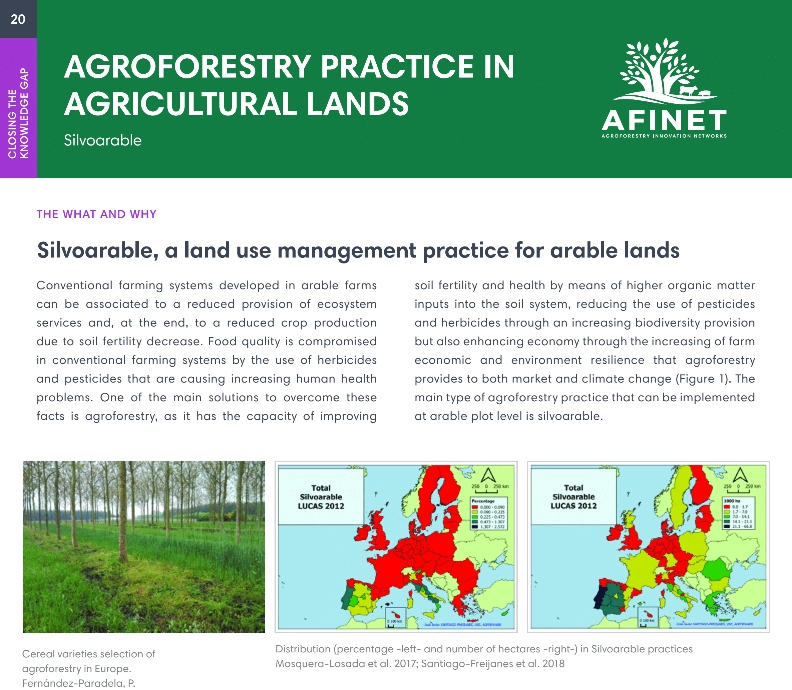 |
20 Agroforestry practice in agricultural lands Conventional farming systems developed in arable farms can be associated to a reduced provision of ecosystem services and, at the end, to a reduced crop production due to soil fertility decrease. Food quality is compromised in conventional farming systems by the use of herbicides and pesticides that are causing increasing human health problems. Download the high resolution print version (available soon) |
|
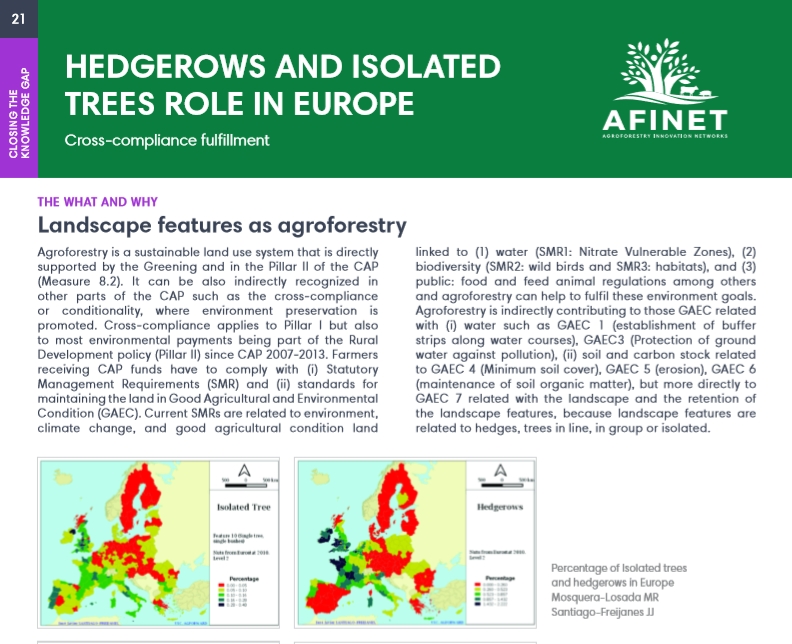 |
21 Hedgerows and isolated trees role in Europe Agroforestry is a sustainable land use system that is directly supported by the Greening and in the Pillar II of the CAP (Measure 8.2). It can be also indirectly recognized in other parts of the CAP such as the cross-compliance or conditionality, where environment preservation is promoted. Download the high resolution print version (available soon) |
|
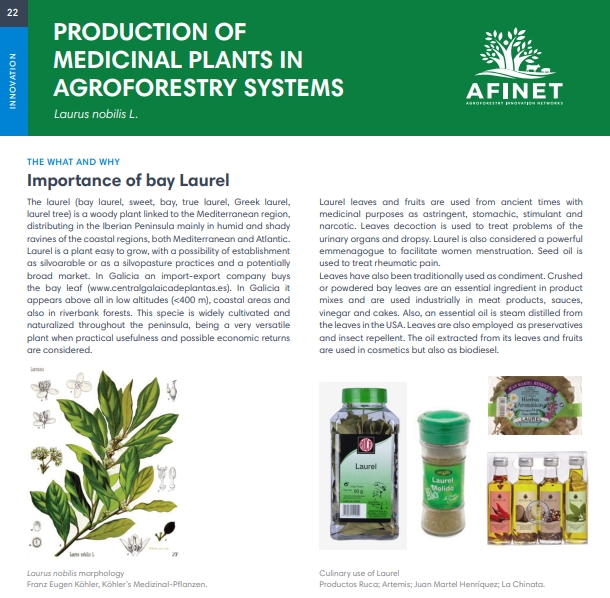 |
22 Production of medicinal plants in agroforestry systems The laurel (bay laurel, sweet, bay, true laurel, Greek laurel, laurel tree) is a woody plant linked to the Mediterranean region, distributing in the Iberian Peninsula mainly in humid and shady ravines of the coastal regions, both Mediterranean and Atlantic. Laurel is a plant easy to grow, with a possibility of establishment as silvoarable or as a silvopasture practices and a potentially broad market Download the high resolution print version (available soon) |
|
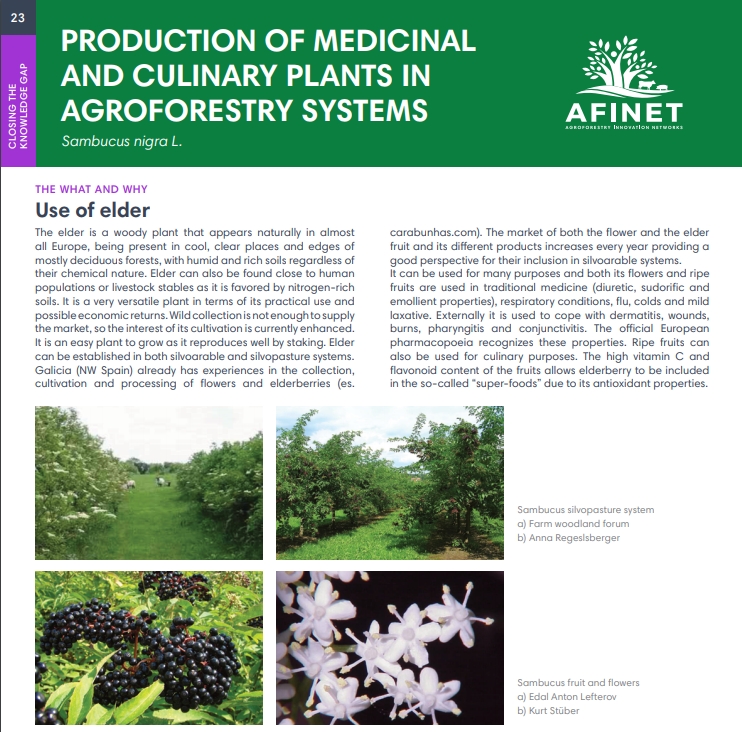 |
23 Production of medicinal and culinary plants in agroforestry systems The elder is a woody plant that appears naturally in almost all Europe, being present in cool, clear places and edges of mostly deciduous forests, with humid and rich soils regardless of their chemical nature. Elder can also be found close to human populations or livestock stables as it is favored by nitrogen-rich soils. Download the high resolution print version (available soon) |
|
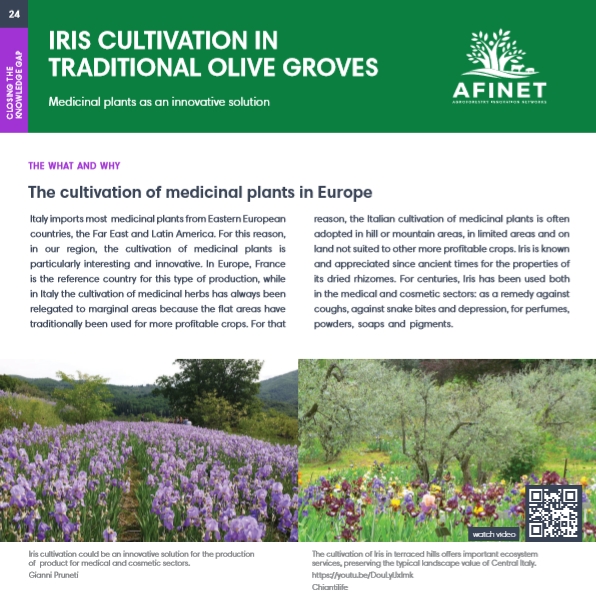 |
24 Iris cultivation in traditional olive groves Italy imports most medicinal plants from Eastern European countries, the Far East and Latin America. For this reason, in our region, the cultivation of medicinal plants is particularly interesting and innovative. In Europe, France is the reference country for this type of production, while in Italy the cultivation of medicinal herbs has always been relegated to marginal areas because the flat areas have traditionally been used for more profitable crops. |
|
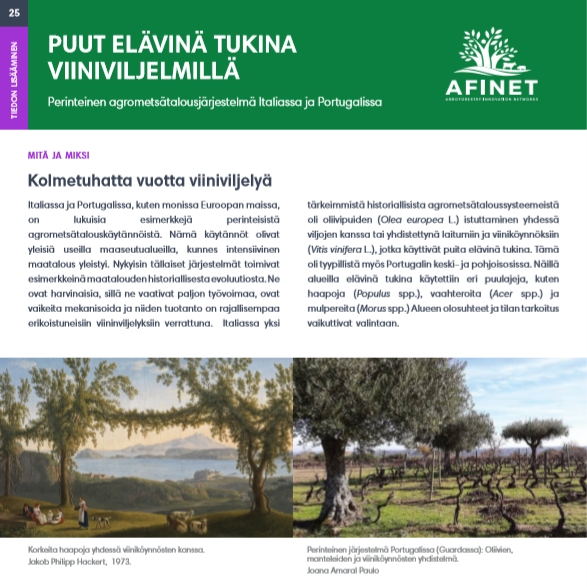 |
25 Puut elävinä tukina viiniviljelmillä Italiassa ja Portugalissa, kuten monissa Euroopan maissa, on lukuisia esimerkkejä perinteisistä agrometsätalouskäytännöistä. Nämä käytännöt olivat yleisiä useilla maaseutualueilla, kunnes intensiivinen maatalous yleistyi. Nykyisin tällaiset järjestelmät toimivat esimerkkeinämaataloudenhistoriallisestaevoluutiosta. |
|
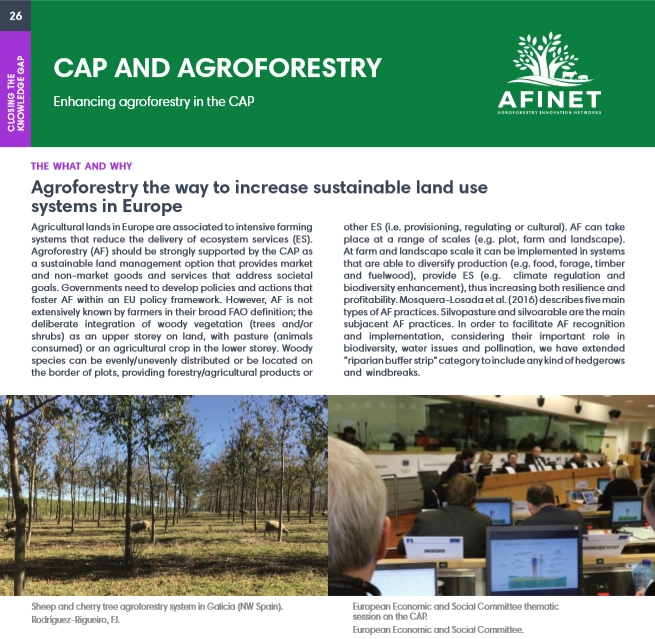 |
Agricultural lands in Europe are associated to intensive farming systems that reduce the delivery of ecosystem services (ES). Agroforestry (AF) should be strongly supported by the CAP as a sustainable land management option that provides market and non-market goods and services that address societal goals. Governments need to develop policies and actions that foster AF within an EU policy framework. Download the high resolution print version (available soon) |
|
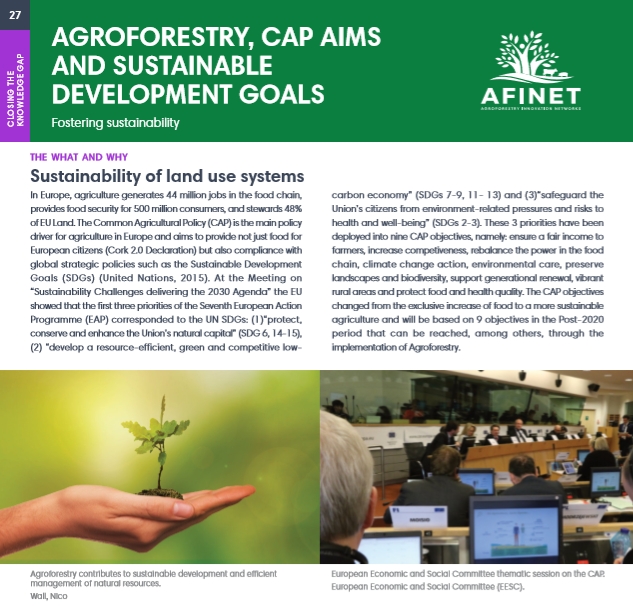 |
27 Agroforestry, CAP aims and sustainable development goals In Europe, agriculture generates 44 million jobs in the food chain, provides food security for 500 million consumers, and stewards 48% of EU Land. The Common Agricultural Policy (CAP) is the main policy driver for agriculture in Europe and aims to provide not just food for European citizens (Cork 2.0 Declaration) but also compliance with global strategic policies such as the Sustainable Development Goals (SDGs) (United Nations, 2015). Download the high resolution print version (available soon) |
|
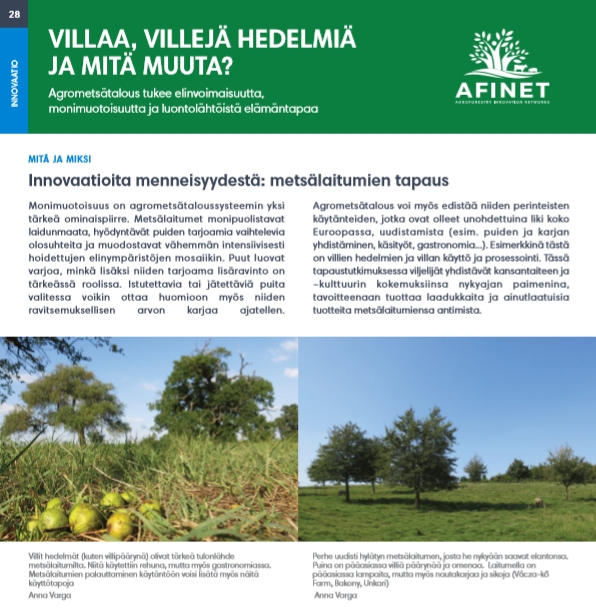 |
28 Villaa, villejä hedelmiä ja mitä muuta? Monimuotoisuus on agrometsätaloussysteemin yksi tärkeä ominaispiirre. Metsälaitumet monipuolistavat laidunmaata, hyödyntävät puiden tarjoamia vaihtelevia olosuhteita ja muodostavat vähemmän intensiivisesti hoidettujen elinympäristöjen mosaiikin. |
|
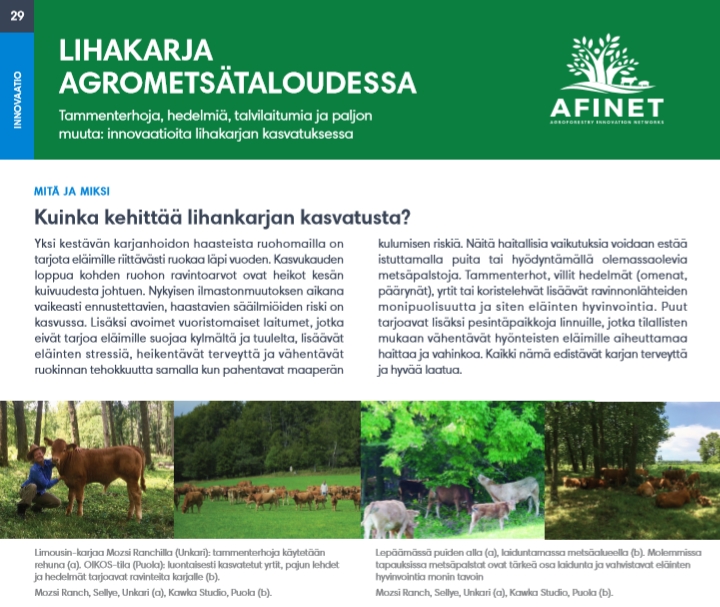 |
29 Lihakarja agrometsätaloudessa Yksi kestävän karjanhoidon haasteista ruohomailla on tarjota eläimille riittävästi ruokaalä pivuoden. Kasvukauden loppua kohden ruohon ravintoarvot ovat heikot kesän kuivuudesta johtuen. |
|
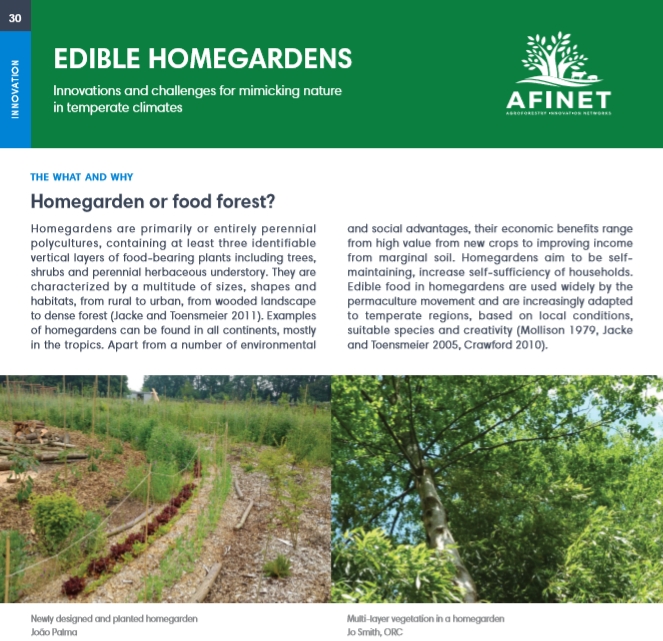 |
Homegardens are primarily or entirely perennial polycultures, containing at least three identifiable vertical layers of food-bearing plants including trees, shrubs and perennial herbaceous understory. They are characterized by a multitude of sizes, shapes and habitats, from rural to urban, from wooded landscape to dense forest (Jacke and Toensmeier 2011). Download the high resolution print version (available soon) |
|
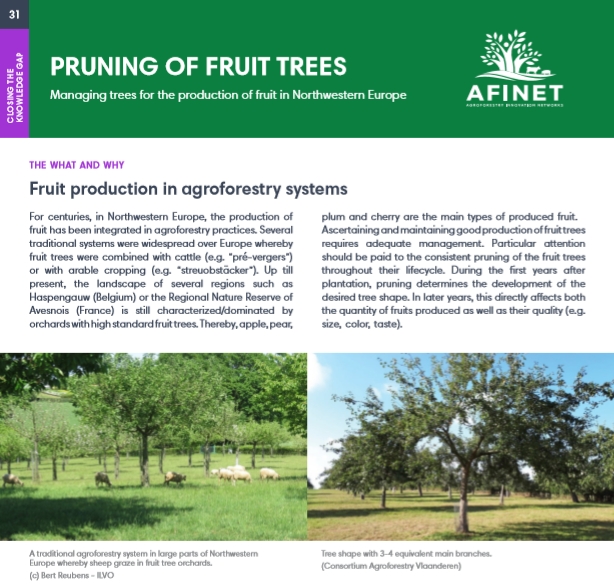 |
For centuries, in Northwestern Europe, the production of fruit has been integrated in agroforestry practices. Several traditional systems were widespread over Europe whereby fruit trees were combined with cattle (e.g. “pré-vergers”) or with arable cropping (e.g. “streuobstäcker”). Download the high resolution print version (available soon) |
|
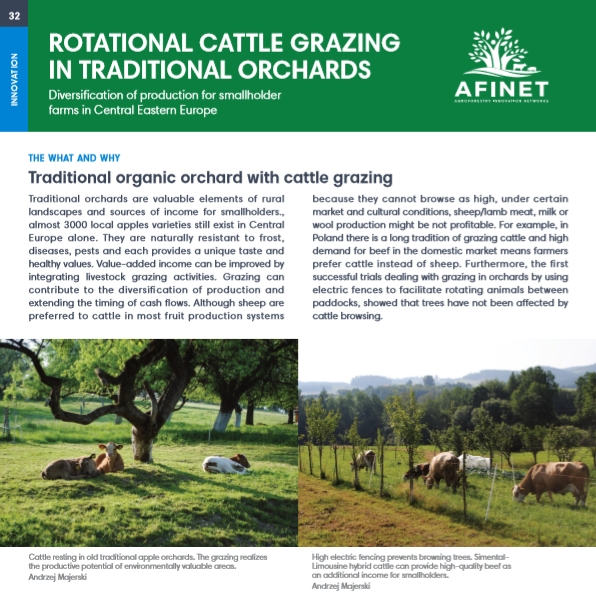 |
32 Rotational cattle grazing in traditional orchards Traditional orchards are valuable elements of rural landscapes and sources of income for smallholders., almost 3000 local apples varieties still exist in Central Europe alone. They are naturally resistant to frost, diseases, pests and each provides a unique taste and healthy values. Value-added income can be improved by integrating livestock grazing activities. Download the high resolution print version (available soon) |
|
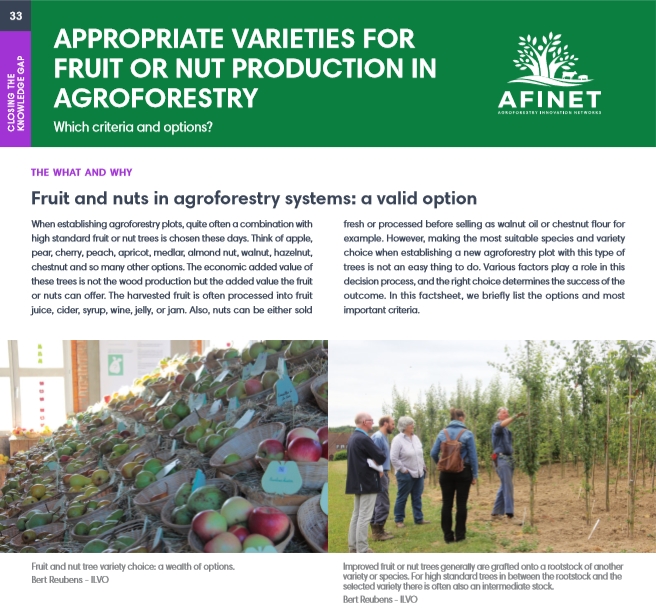 |
33 Appropriate varieties for fruit or nut production in agroforestry When establishing agroforestry plots, quite often a combination with high standard fruit or nut trees is chosen these days. Think of apple, pear, cherry, peach, apricot, medlar, almond nut, walnut, hazelnut, chestnut and so many other options. The economic added value of these trees is not the wood production but the added value the fruit or nuts can offer. Download the high resolution print version (available soon) |
|
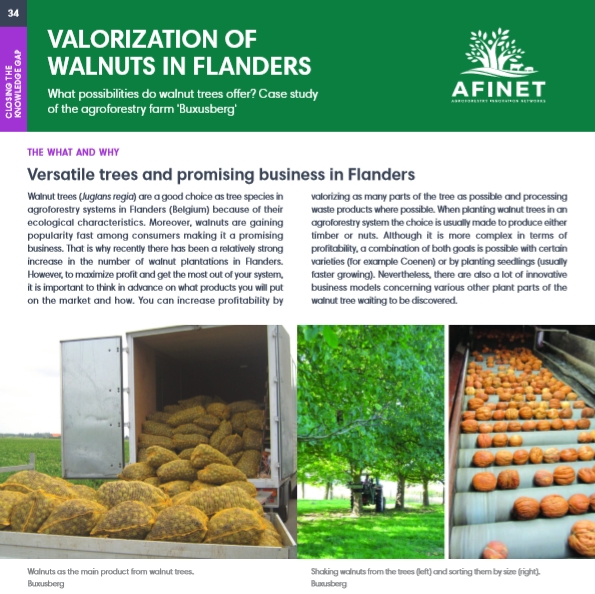 |
34 Valorization of walnuts in Flanders Walnut trees (Juglans regia) are a good choice as tree species in agroforestry systems in Flanders (Belgium) because of their ecological characteristics. Moreover, walnuts are gaining popularity fast among consumers making it a promising business. That is why recently there has been a relatively strong increase in the number of walnut plantations in Flanders. Download the high resolution print version (available soon) |
|
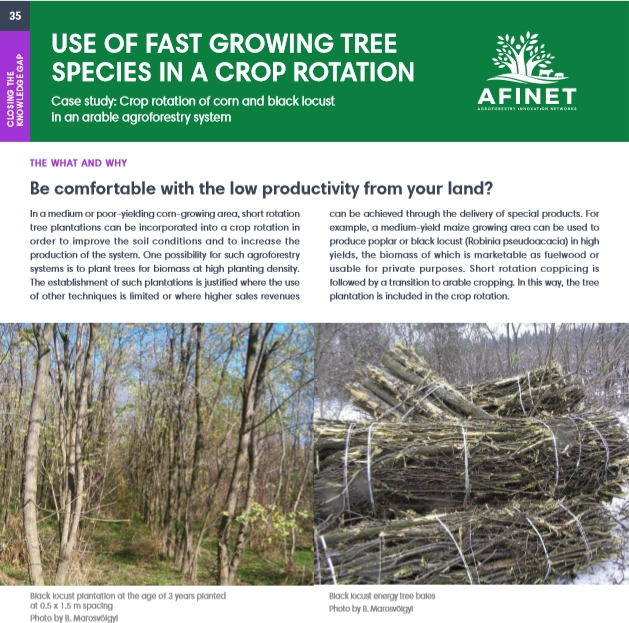 |
35 Use of fast growing tree species in a crop rotation In a medium or poor-yieldingcorn-growing area, short rotation tree plantations can be incorporated into a crop rotation in order to improve the soil conditions and to increase the production of the system. One possibility for such agroforestry systems is to plant trees for biomass at high planting density. |
|
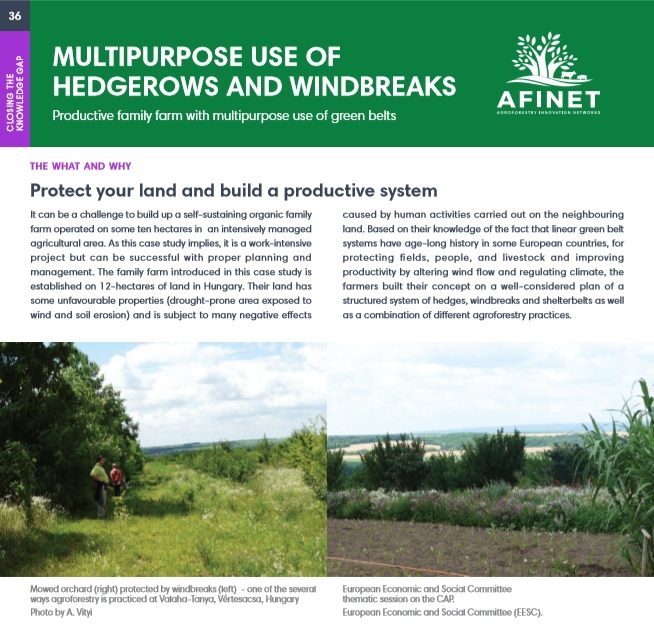 |
36 Multipurpose use of hedgerows and windbreaks It can be a challenge to build up a self-sustaining organic family farm operated on some ten hectares in an intensively managed agricultural area. As this case study implies, it is a work-intensive project but can be successful with proper planning and management. The family farm introduced in this case study is established on 12-hectares of land in Hungary. |
|
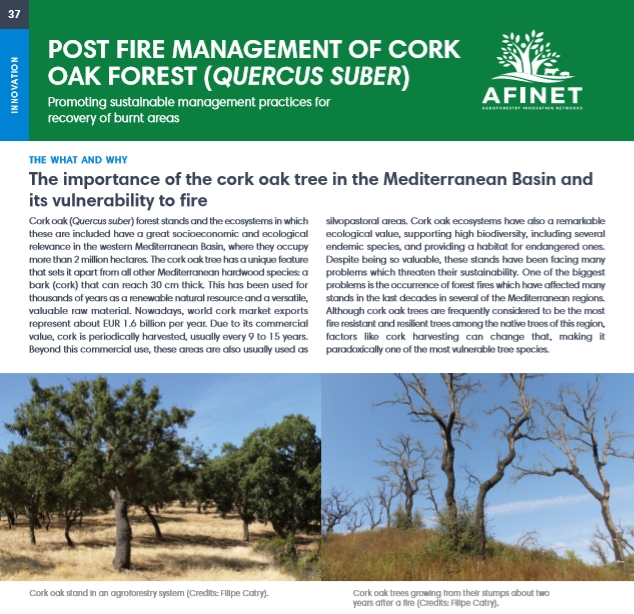 |
37 Post fire management of cork oak forest (Quercus suber) It can be a challenge to build up a self-sustaining organic family farm operated on some ten hectares in an intensively managed agricultural area. As this case study implies, it is a work-intensive project but can be successful with proper planning and management. The family farm introduced in this case study is established on 12-hectares of land in Hungary. Download the high resolution print version (available soon) |
|
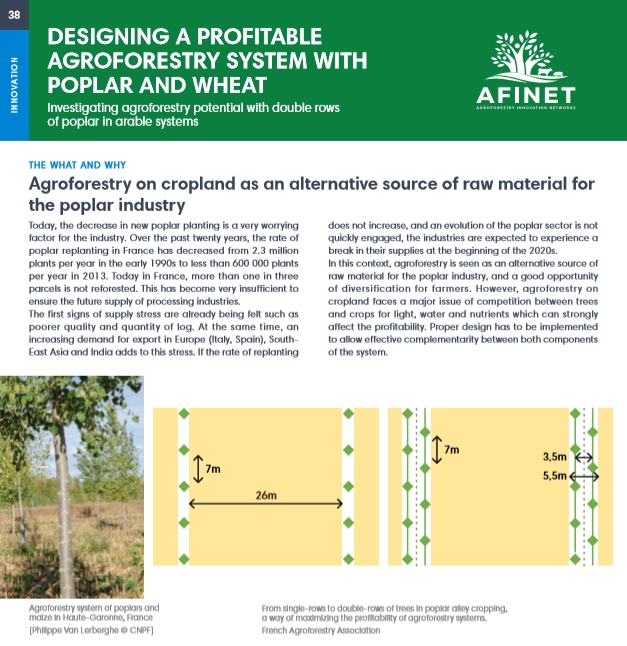 |
38 Designing a profitable agroforestry system with poplar and wheat Today, the decrease in new poplar planting is a very worrying factor for the industry. Over the past twenty years, the rate of poplar replanting in France has decreased from 2.3 million plants per year in the early 1990s to less than 600 000 plants per year in 2013. Today in France, more than one in three parcels is not reforested. This has become very insufficient to ensure the future supply of processing industries. |
|
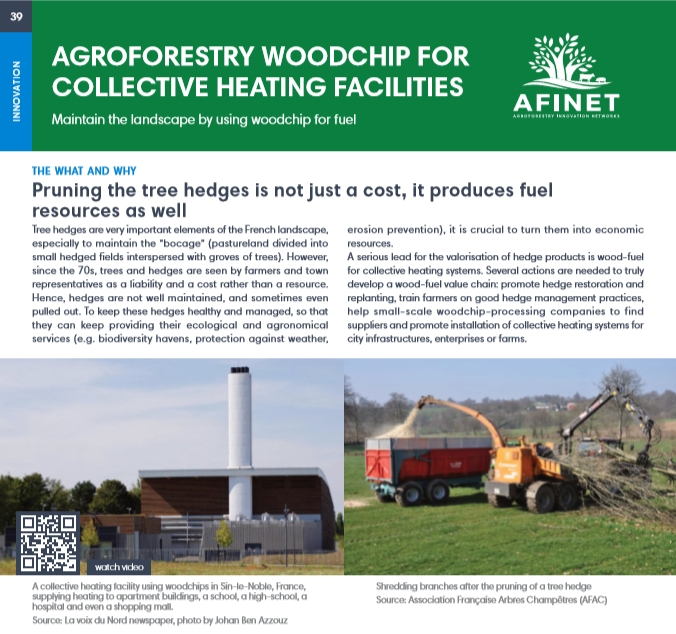 |
39 Agroforestry woodchip for collective heating facilities Tree hedges are very important elements of the French landscape, especially to maintain the “bocage” (pastureland divided into small hedged fields interspersed with groves of trees). However, since the 70s, trees and hedges are seen by farmers and town representatives as a liability and a cost rather than a resource. |
|
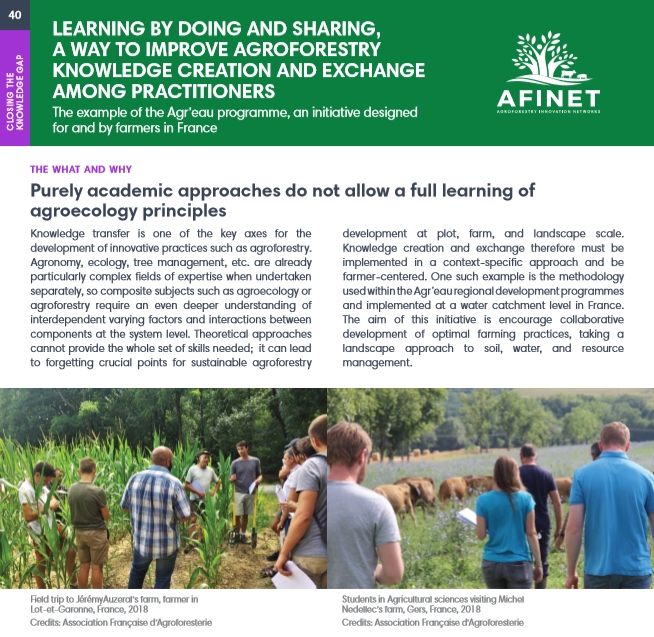 |
Knowledge transfer is one of the key axes for the development of innovative practices such as agroforestry. Agronomy, ecology, tree management, etc. are already particularly complex fields of expertise when undertaken separately, so composite subjects such as agroecology or agroforestry require an even deeper understanding of interdependent varying factors and interactions between components at the system level. |
|
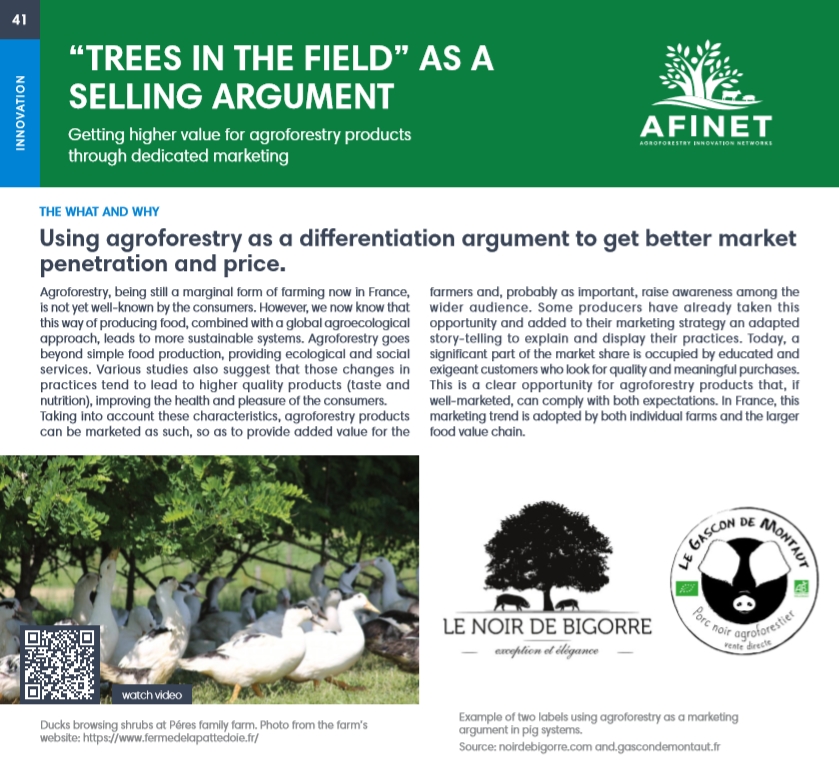 |
41 "Trees in the field" as a selling argument Agroforestry, being still a marginal form of farming now in France, is not yet well-known by the consumers. However, we now know that this way of producing food, combined with a global agroecological approach, leads to more sustainable systems. Agroforestry goes beyond simple food production, providing ecological and social services. |
|
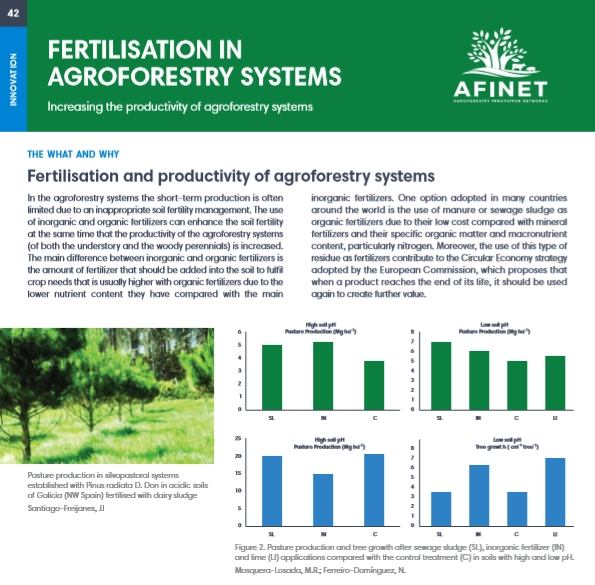 |
42 Fertilisation in agroforestry systems In the agroforestry systems the short-term production is often limited due to an inappropriate soil fertility management. The use of inorganic and organic fertilizers can enhance the soil fertility at the same time that the productivity of the agroforestry systems (of both the understory and the woody perennials) is increased. Download the high resolution print version (available soon) |
|
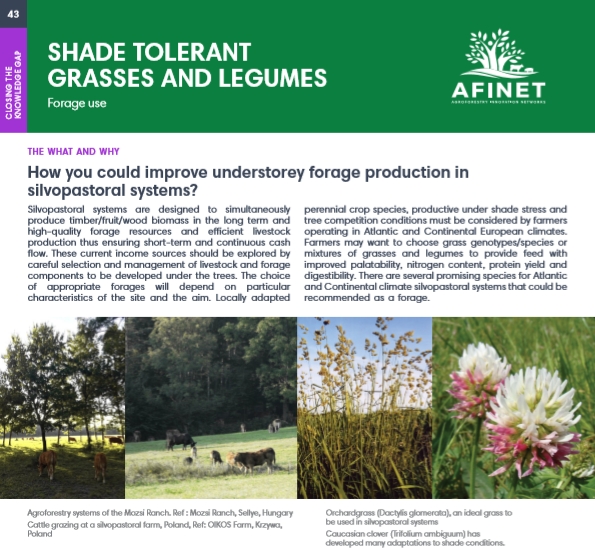 |
43 Shade tolerant grasses and legumes Silvopastoral systems are designed to simultaneously produce timber/fruit/wood biomass in the long term and high-quality forage resources and efficient livestock production thus ensuring short-term and continuous cash flow. Download the high resolution print version (available soon) |
|
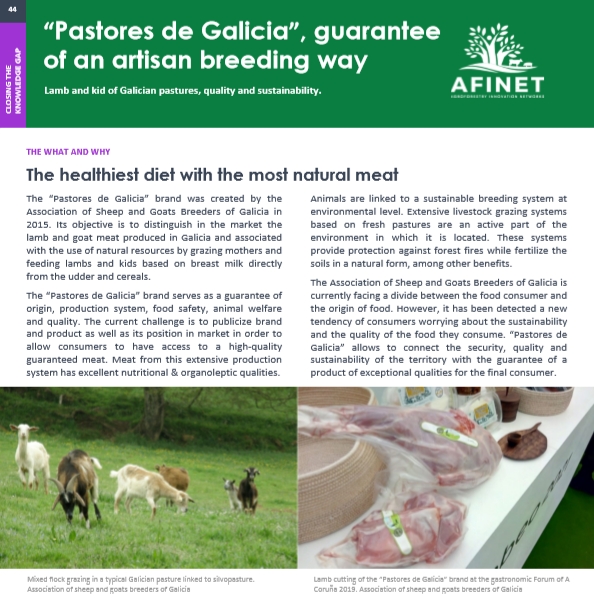 |
44 “Pastores de Galicia”, guarantee of an artisan breeding way The “Pastores de Galicia” brand was created by the Association of Sheep and Goats Breeders of Galicia in 2015. Its objective is to distinguish in the market the lamb and goat meat produced in Galicia and associated with the use of natural resources by grazing mothers and feeding lambs and kids based on breast milk directly from the udder and cereals. Download the high resolution print version (available soon) |
|
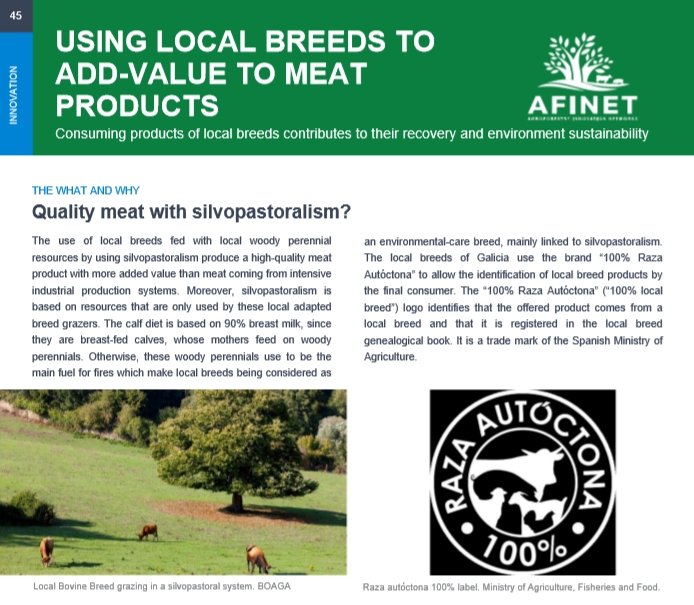 |
45 Using local breeds to add-value to meat products The use of local breeds fed with local woody perennial resources by using silvopastoralism produce a high-quality meat product with more added value than meat coming from intensive industrial production systems. Moreover, silvopastoralism is based on resources that are only used by these local adapted breed grazers. The calf diet is based on 90% breast milk, since they are breast-fed calves, whose mothers feed on woody perennials.
Download the high resolution print version (available soon) |

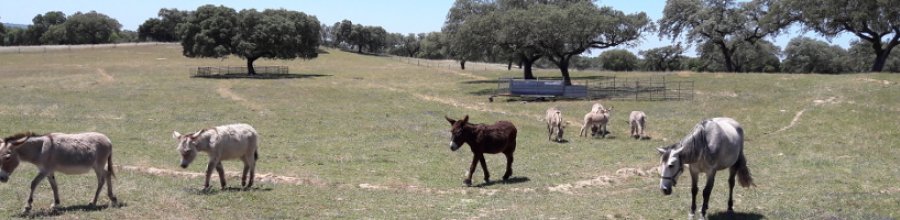
Montado near Montemor-o-Novo
Portugal, photo by Michael den Herder
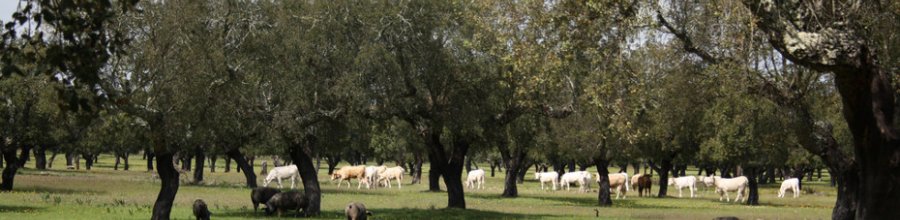
Mixed livestock browsing in holm oak montado
Photo by João Palma
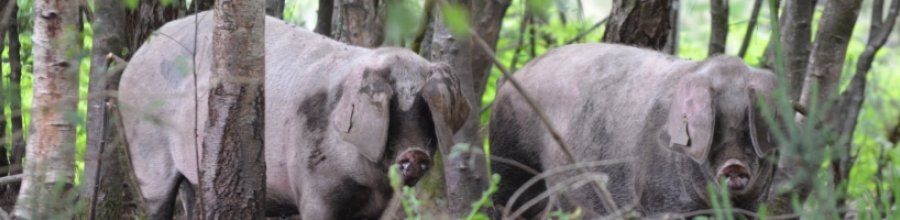
Celtic Pigs in Silvopastoral Systems
Galicia, Spain
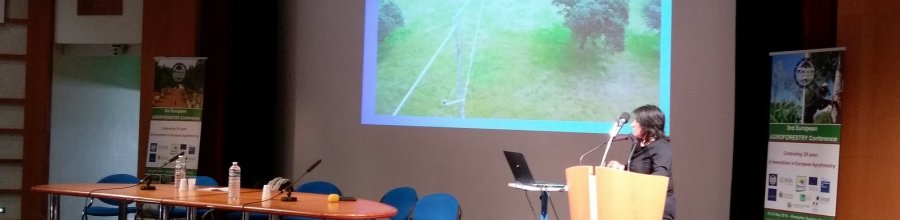
2nd EURAF Conference, 4-6 June 2014, Cottbus, Germany
Rosa Mosquera-Losada presenting an overview of EURAF activities
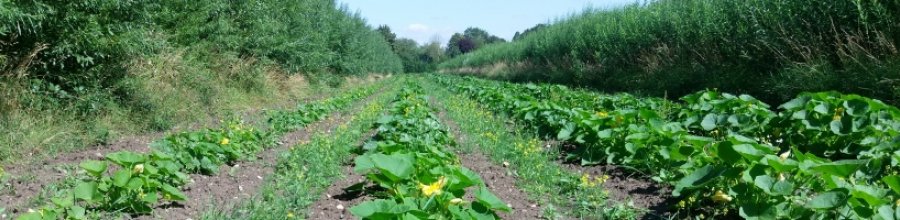
Squashes in SRC silvoarable system
Wakelyns
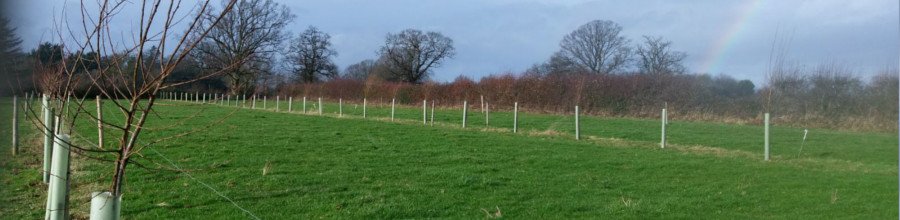
Agroforestry with willow used as medicinal fodder
Shropshire, UK. Photo by Jo Smith, ORC
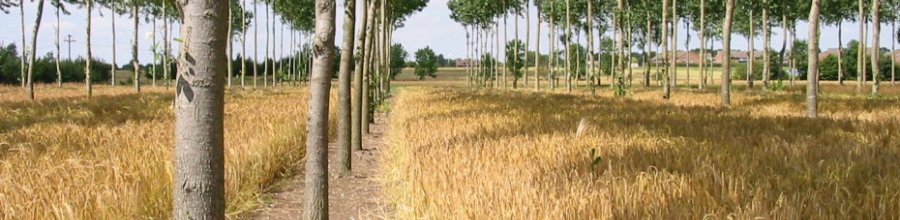
Silvoarable agroforestry experiment with poplar and barley
Bedfordshire in 2002, UK, by Paul Burgess.
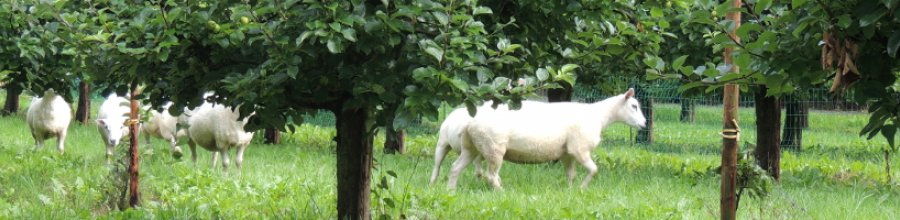
Sheep in Apple Orchards Loughgall
Northern Ireland
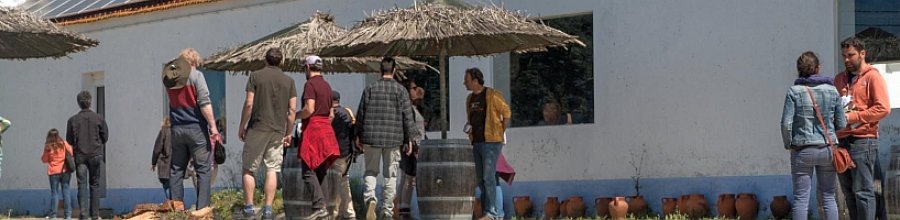
Agforward General Assembly in 2017
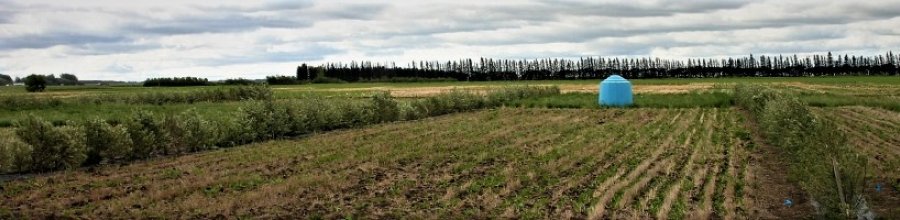
Alley cropping, Seabuckthorn & Buffaloberry, canola and alfalfa
Saskatchewan, Canada. Photo by Laura Poppy and Ron Gares
|
This website will soon end. Please update your bookmarks with the new website address |