
This website will soon end. Please update your bookmarks with the new website address

https://euraf.net/

Shaping the trees

Trees planted at wide spacing naturally develop a shorter trunk, with a greater tendency to a sinuous and forked shape. They often bear many vigorous lateral branches that can hamper the movement of agricultural machinery.


English

Planting the trees

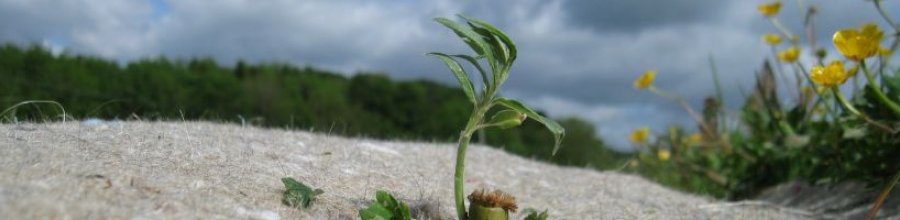
Successfully planting a tree in agroforestry does not only mean buying good quality seedlings. Die off after planting is primarily attributable to inadequate management beforehand. Drying out of roots or exposure to excess sun, wind, or frost can substantially hamper the development of young trees.

English

Preparing the land

A comprehensive diagnosis of the land potential to bear trees (studying the soil, climate, topography, etc.) allow farmers to choose the appropriate species to plant. It also helps identify appropriate soil cultivation operations to be carried out before planting.


English

Choosing quality planting material

The plant quality determines success in agroforestry establishment; particularly in relation to root development. Once the farmer has selected which tree species to use it is then important to select seedlings that are best suited to the farm conditions but also ensure that the seed stock is healthy (i.e. it comes without pests or diseases).

English

Alley cropping systems: key objectives

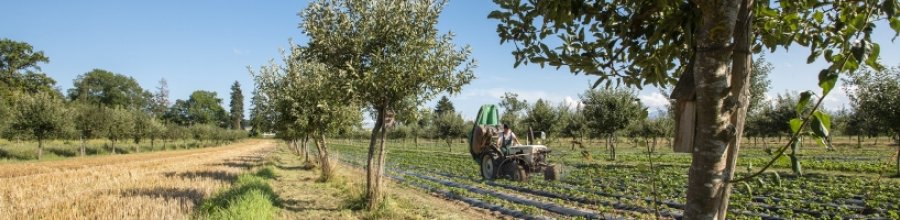
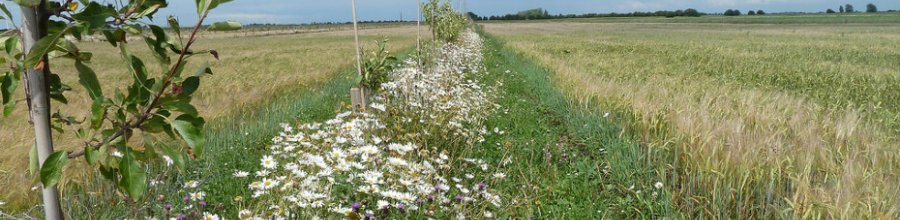
In an alley cropping system, trees are multifunctional: the aim is to provide a range of ecosystem services alongside wood and  fruits. These include shelter for crops, host beneficial organisms, increase soil fertility and carbon storage, mitigate climate change, and provide protection against soil erosion.

English