

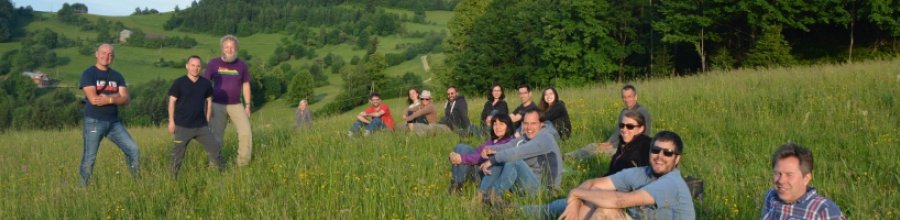
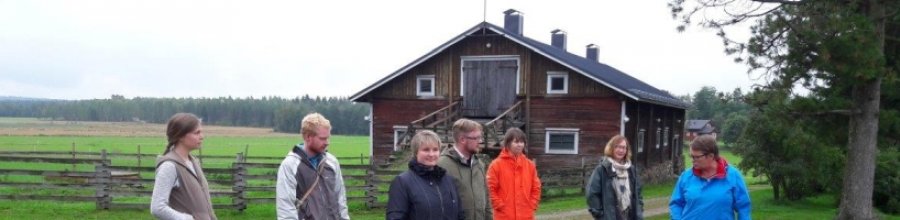
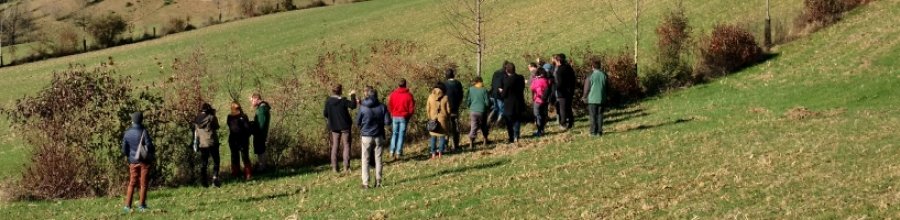
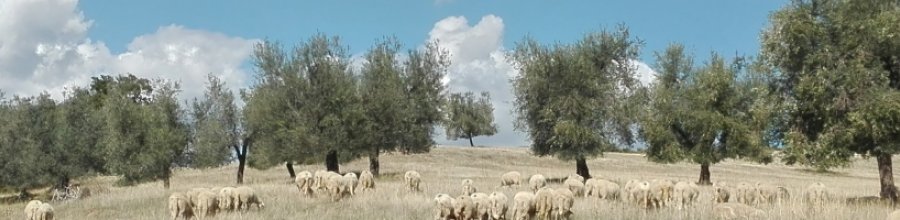
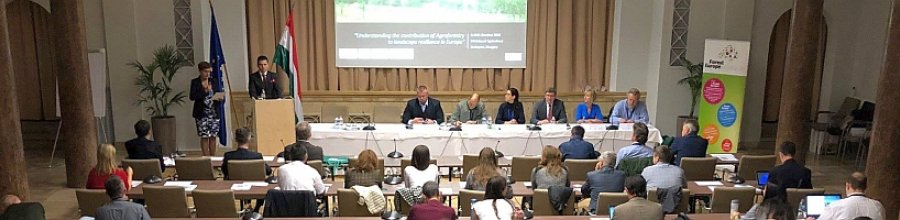
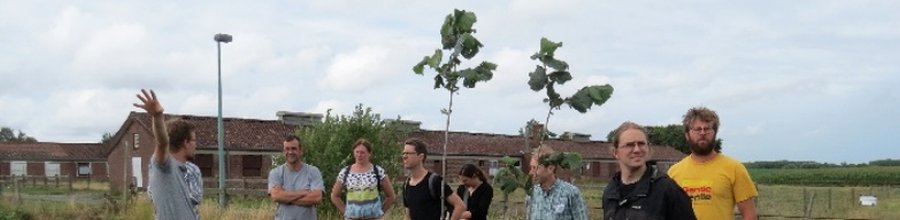
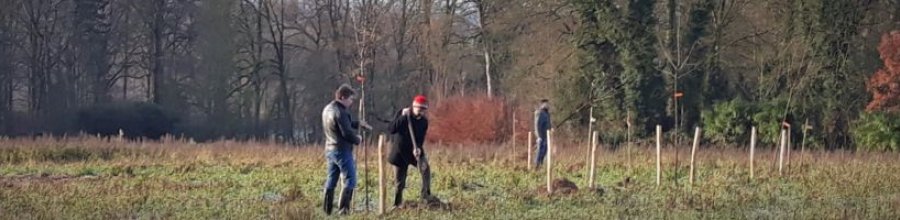
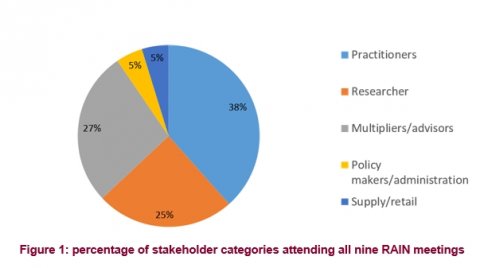
Un total de 273 actores del sector agroforestal, de los cuales 105 eran productores, han participado en las terceras reuniones de las RAIN en todas las regiones del proyecto AFINET. El objetivo de contar con al menos un tercio de participantes de perfil productor en las RAINs se alcanzó, con una representación media del 38%, similar a la de las RAINs anteriores. El número medio de participantes en RAIN fue de 30 personas, con un mínimo de 20 y un máximo de 57, y en todas ellas se mantuvo, más o menos, un grupo central de miembros, aunque se unieron algunos participantes adicionales en función de la temática en la que se centró la RAIN.

Resultados de la tercera reunión de la RAIN
En las reuniones se presentaron las diferentes innovaciones identificadas en las diferentes regiones de AFINET. Durante el evento, los participantes (1) validaron esta lista, (2) pudieron expresar su interés en innovaciones de otras regiones, (3) identificaron sinergias regionales y (4) contribuyeron a algunas innovaciones específicas basándose en su propio campo de especialización. Como resultado de este proceso, se han priorizado las distintas innovaciones en función de cada región. Los facilitadores avanzan ahora en la producción de materiales de difusión (fichas técnicas, videos tutoriales, artículos técnicos,...) basados en esta lista validada de innovaciones agroforestales específicas para cada área.
Transferencia de conocimiento durante la tercera reunión de las RAINs
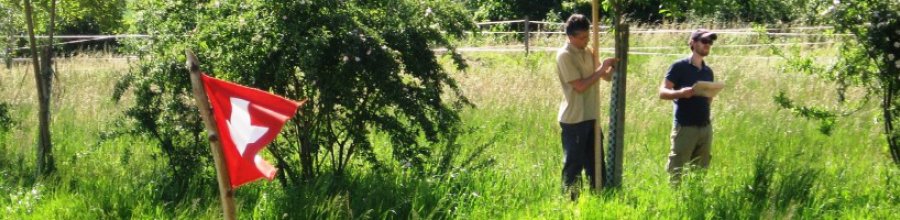
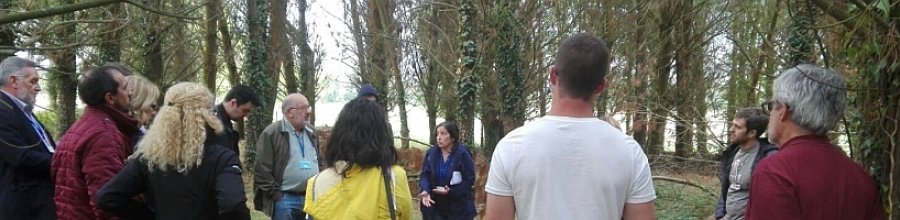
En las reuniones también se presentaron distintos testimonios de agricultores y se realizaron visitas de campo guiadas que sirven como inspiración, un retorno importante a la hora de involucrar a los miembros de RAIN en grupos de interés y, al mismo tiempo, abordar algunos de los retos que se plantearon en reuniones anteriores. En la tabla que figura a continuación se ofrece un panorama general de las visitas.
Table 1: overview of field visits during third RAIN meetings across AFINET project region
|
Spain |
Cabuxa Natur |
Organic goat farm, 260 goats in a semi extensive farming system. The farm consist of 34 ha of permanent grassland and 16 ha of forest (mainly pine plantations.) |
|
Common land community De Carballo |
The community developed a rotational system with horses and celtic pigs. This community have about 700 ha of land and needed a mobile system in order to achieve an efficient rotational system |
|
|
UK |
Home farm in Nottinghamshire |
Dave Rose has planted 11 000 trees on his harm over the last 7 years. Systems include a silvoarable field with apples and cereal, as well as a newly established edible woodland which is grazed by sheep. |
|
France |
Archimboud Sawmill |
Research carried out by the Archimboud Sawmill engineers has shown that profitable solutions can be found to develop wood gasification for energy production. |
|
Finland |
Kilpiän farm |
A 75 ha organic farm using an alley cropping system that proved to be more resilient to drought compared with other farms without agroforestry and where tree rows are used to reduce soil erosion induced by the slope on the fields. |
|
Portugal |
Herdade dos Lagos |
The visit focused on the silvopastoral carob orchard. Attendees were very interested on the technical aspects of carob harvest, namely the usage of mechanical harvesting. |
|
Italy |
Cupidi Organic Farm |
Claudia Cupidi showed the management of Cupidi farm where chestnut, walnut an olive trees are grazed by laying hens. She has given a lot of advice to the stakeholders about the structural design of the farm and the exploitation of processing by-products for the production of manure, biogas and energy. |
|
Hungary |
Ancient wood pasture |
Wood pasture is an important ancient form of farming in Hungary, but great areas are abandoned. A very important cultural, economic and nature protection mission is to save these lands for shepherding. |
|
Belgium |
Fruit tree orchard of ‘Hof ter Saksen’ |
A guided tour of the fruit orchard (apple, pear, cherries) was organized by Jan van Bogaert and Paul van Laer during which the management in an agroforestry context systems was explained. |
Check this article in a pdf format